 01
Occupational Therapy
Building independence in everyday life
- Avoids or is distressed by messy play, certain clothing textures, grooming or food textures
- Covers ears at ordinary household or classroom sounds
A dedicated team of professionals providing services that range from functional assessment through to occupational therapy, speech therapy, ABA, special education and physiotherapy — with progress measured against goals we set together with you.

Step one
Functional assessment
Before any therapy begins
Open six days a week
Mon–Fri 9:30–19:30 · Sat 9:30–15:00
Every programme begins with a functional assessment, not a package.
Occupational, speech, ABA, special education, physiotherapy and audiology.
Monday to Friday until 7:30 PM, and Saturday mornings.
Training and home strategies are part of the programme, not an add-on.
Free milestone checker
Answer the milestones most children reach by your child's age — right here, in about three minutes. You'll get a breakdown across four developmental domains and a plain answer on whether it's worth speaking to someone. Nothing is stored and nothing is sent.
Choose the closest age group. If your child sits between two, pick the younger one — milestones are what most children can do by that age, not the earliest they might.
Who we work with
You do not need a referral or a diagnosis to book an assessment. Parents notice differences early and are usually right that something is worth looking at, even when they cannot name what it is. If development is on track, you get informed reassurance — and if it is not, you have not lost time.
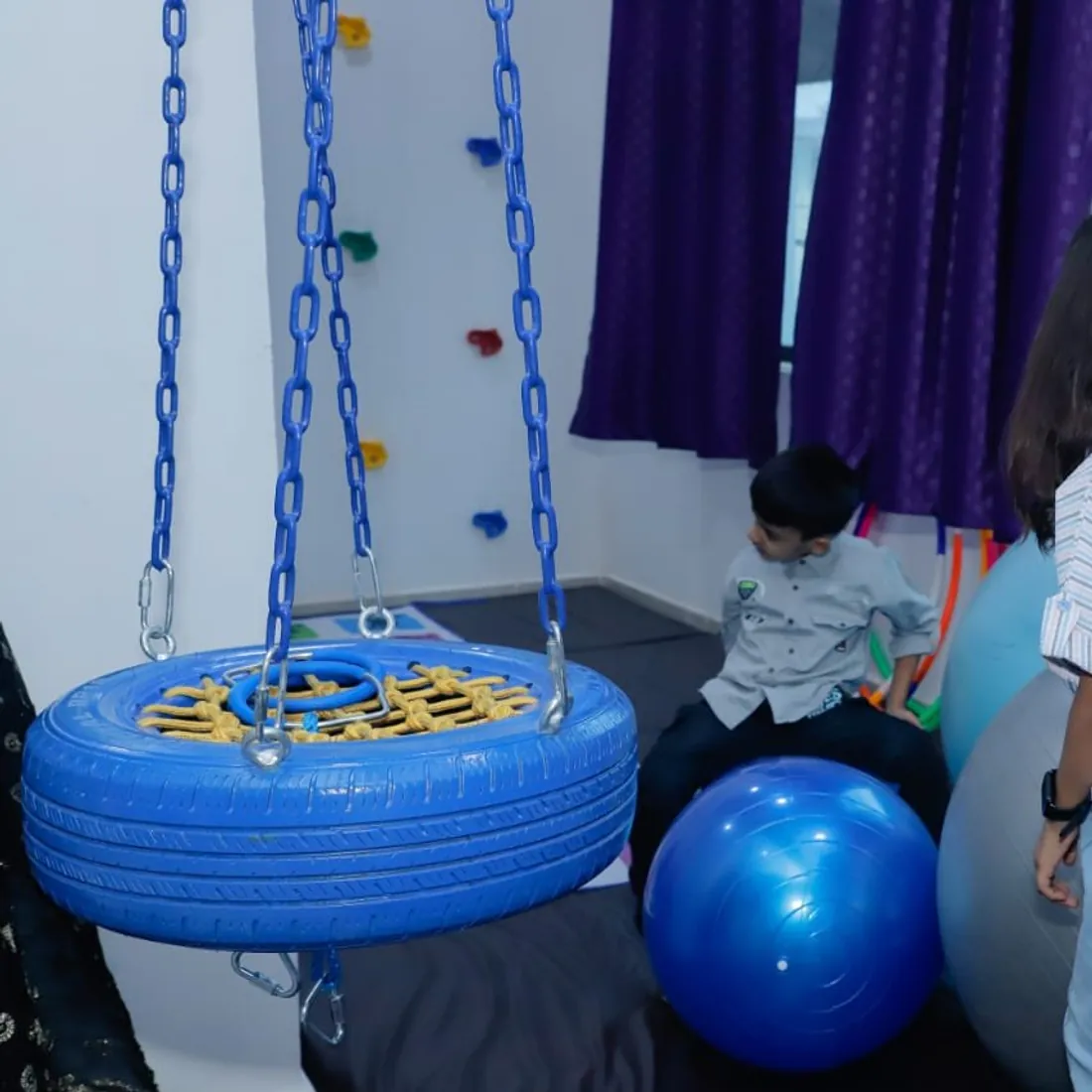
Early intervention is more effective, not less — the developing brain is at its most adaptable in the early years.
Many children work with more than one therapist. Goals are coordinated so the programmes reinforce each other.
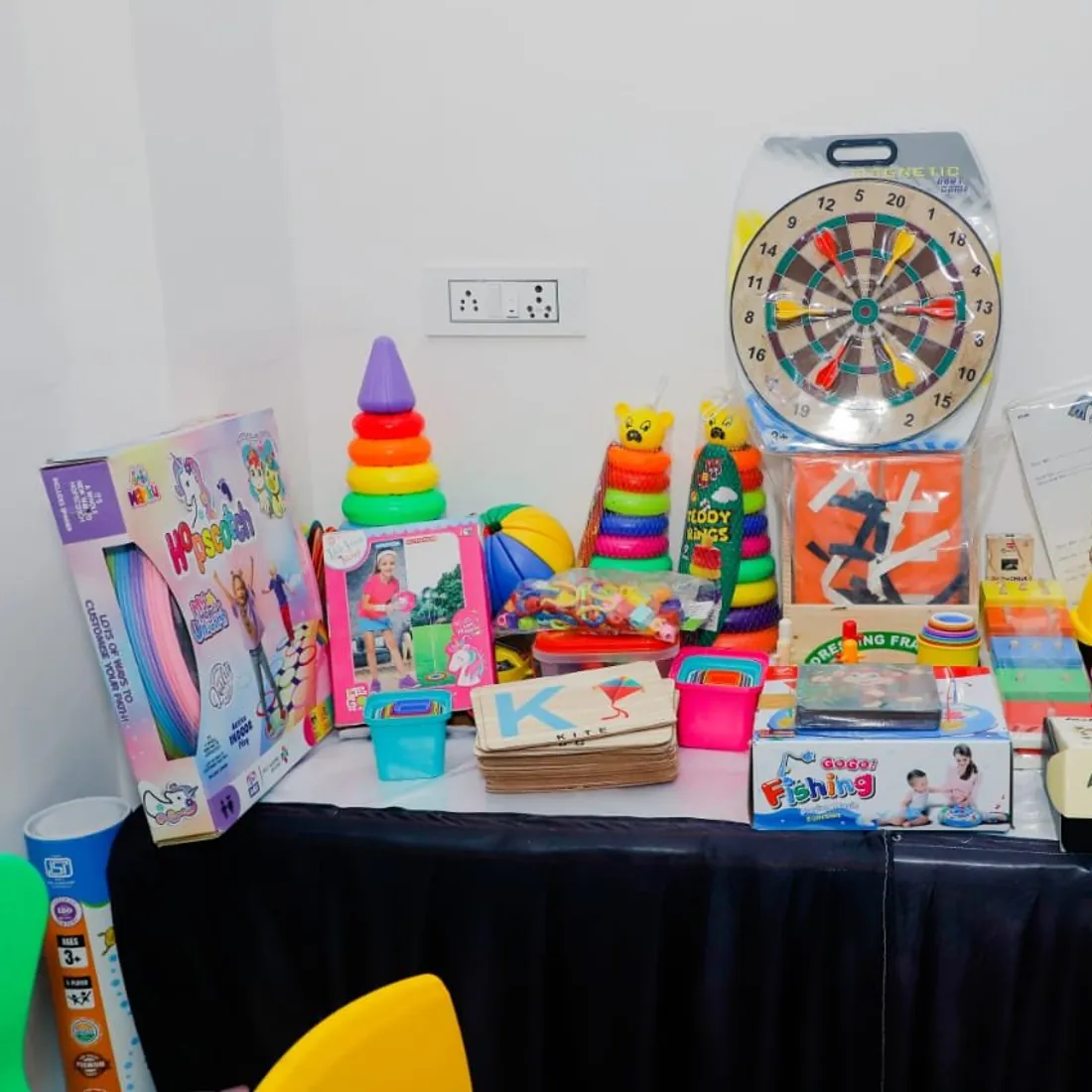
What we offer
Children rarely need help in only one area. When a child works across more than one discipline here, the therapists coordinate goals so the programmes reinforce each other rather than run in parallel.
For parents
Most parents arrive here knowing something is different but not knowing what to call it, who to ask, or whether they’re overreacting. These three free tools are built for exactly that moment. Nothing is stored, nothing is sent, and none of it requires an appointment.

Tell us what you're seeing at home
Pick from real, plainly-worded observations — not talking yet, overwhelmed by noise, can't hold a pencil — and find out which professional assesses it.
Is my child developing typically?
Work through the milestones most children reach by your child's age. You'll get a breakdown across four domains and a straight answer on whether to speak to someone.
In-depth reading, free
Full guides on autism, speech activities, sensory diets, challenging behaviour, feeding difficulty and school readiness — written for parents, not clinicians.
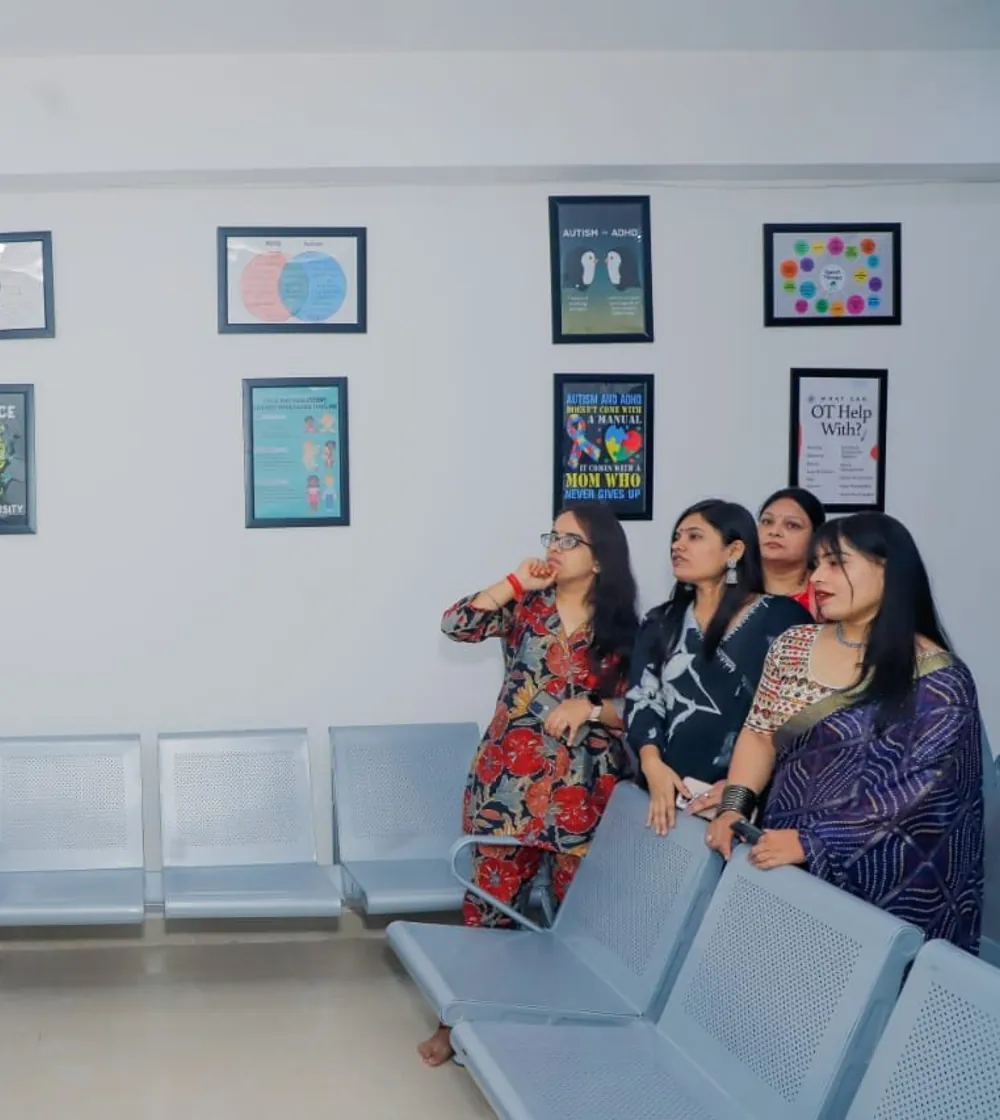
“A centre of optimism.”
Bhawna Meghani, Educationist
How we work
Little Wonders is a child development centre with a highly dedicated team of professionals, providing services that range from functional assessments through to therapy. We work with children across a range of diagnoses — including autism, ADHD, cerebral palsy, learning disabilities, Down syndrome and reading and writing difficulties.
Therapy starts from a functional assessment, not an assumption. We establish what a child can actually do before deciding what to work on.
Targets are agreed with parents and prioritised by what would change your family's day most — not by what is easiest to measure.
Every session is recorded and reviewed against baseline. Where something isn't moving, the approach changes.
You are shown the strategies your therapist uses. Consistency between sessions is one of the strongest predictors of progress.
The parent journey
Six defined stages. Nothing is committed to until findings have been explained to you.
A detailed developmental history and structured, age-appropriate assessment. The therapist establishes exactly where your child is across the relevant domains — and explains it to you in plain language.
Findings are turned into specific, functional goals — agreed with you, and prioritised by what would make the biggest practical difference to your child's day rather than by what is easiest to measure.
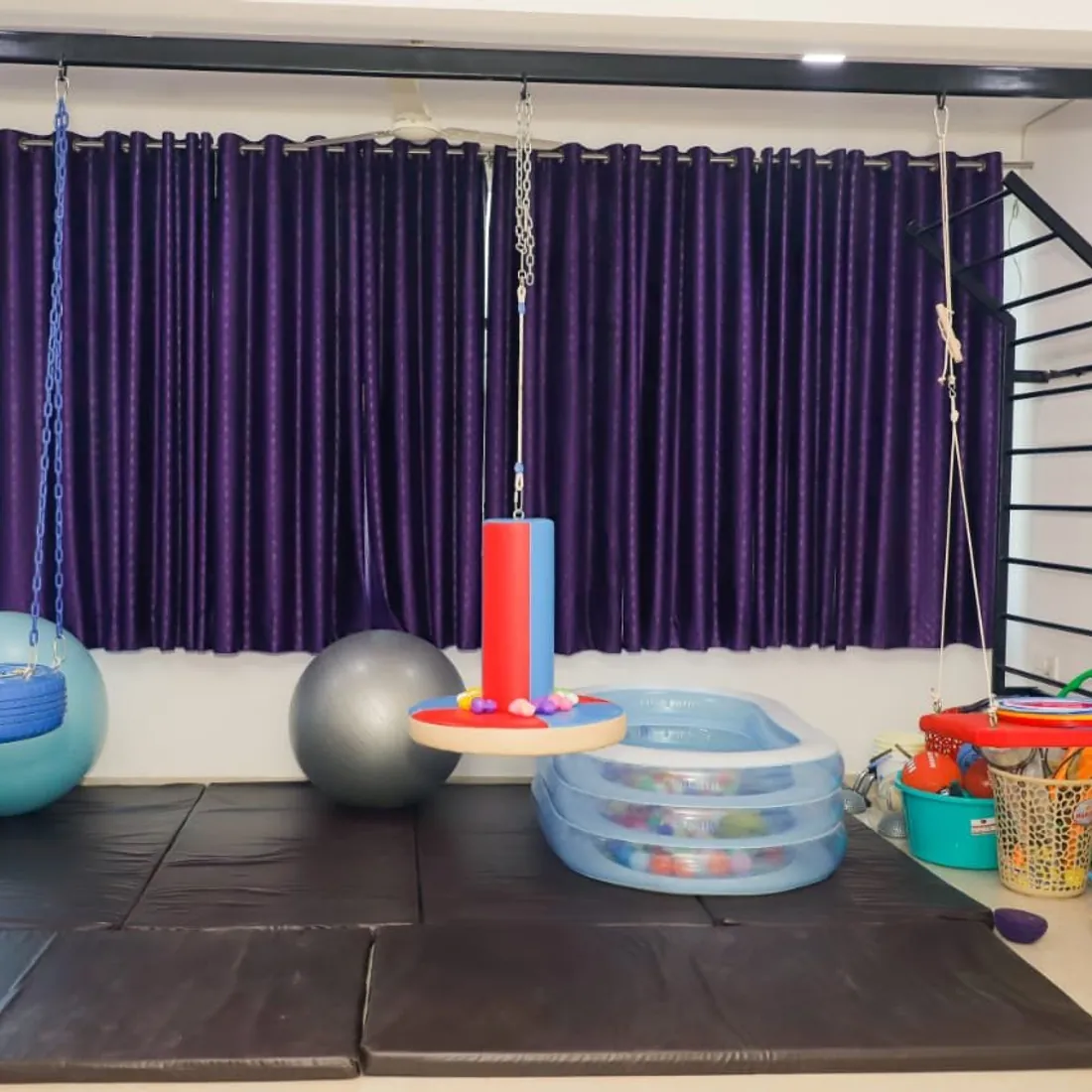
Regular one-to-one sessions in a purpose-equipped space. Activities are graded to sit just beyond what your child can currently do — challenging enough to build skill, achievable enough to sustain confidence.
Progress is checked against the agreed goals on a regular cycle. Where something is not moving, the approach changes — reviews exist to make decisions, not to confirm that work is continuing.
You are shown the strategies your therapist uses and how to apply them at home. This is not an optional extra — how consistently strategies are used between sessions is one of the strongest predictors of progress.
Written summaries of what has been worked on, what has changed and what comes next — usable with schools, paediatricians and other professionals involved in your child's care.
Our team
The centre is directed by Dr. Shilpa Kinger and Mr. Sachin Kinger, and staffed by a team working across six therapy disciplines.
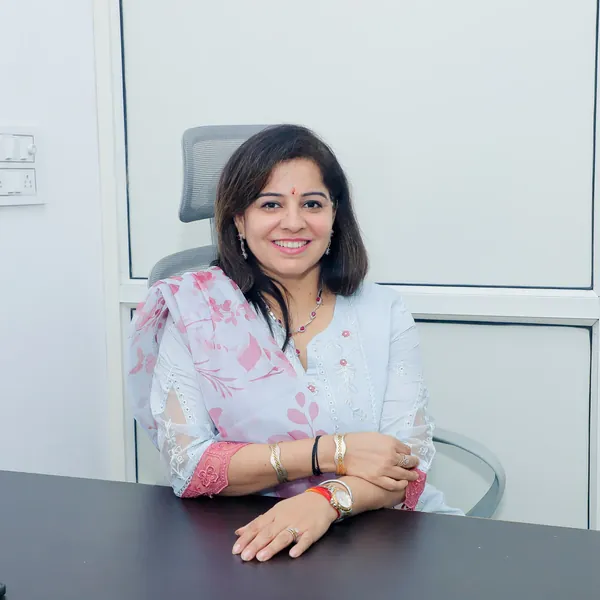
Director
Leads the centre's clinical direction, overseeing assessment and therapy programmes across all disciplines.
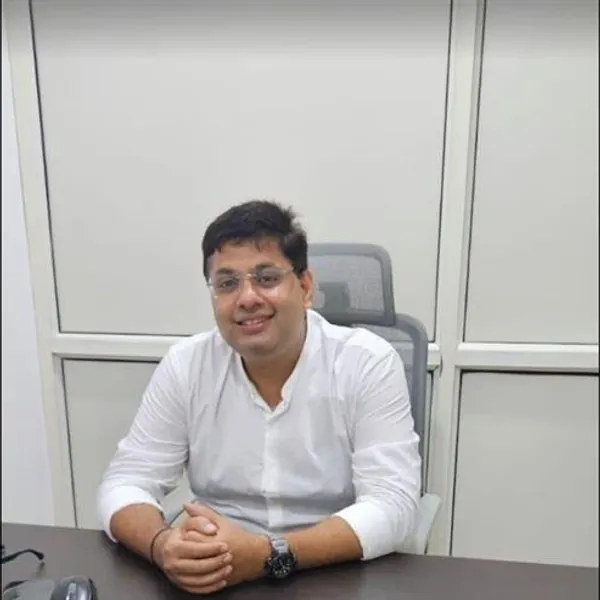
Director
Leads operations at the centre, from family intake and scheduling through to facilities and coordination.
Parent stories
Effective autism spectrum therapy centre. Such great therapists for occupational therapy, speech therapy and special education — a city like Gwalior is blessed to have this for our children, with the best guidance from senior psychologist Dr. Gayatri Sinha and Dr. Shilpa Kinger.
The special education centre in Gwalior is the best for occupational, speech and educational therapy. After a year at Gayatri Ma'am's centre, my child has greatly improved. Gayatri Ma'am and Shilpa Ma'am are both skilled and attentive, addressing our children's needs effectively.
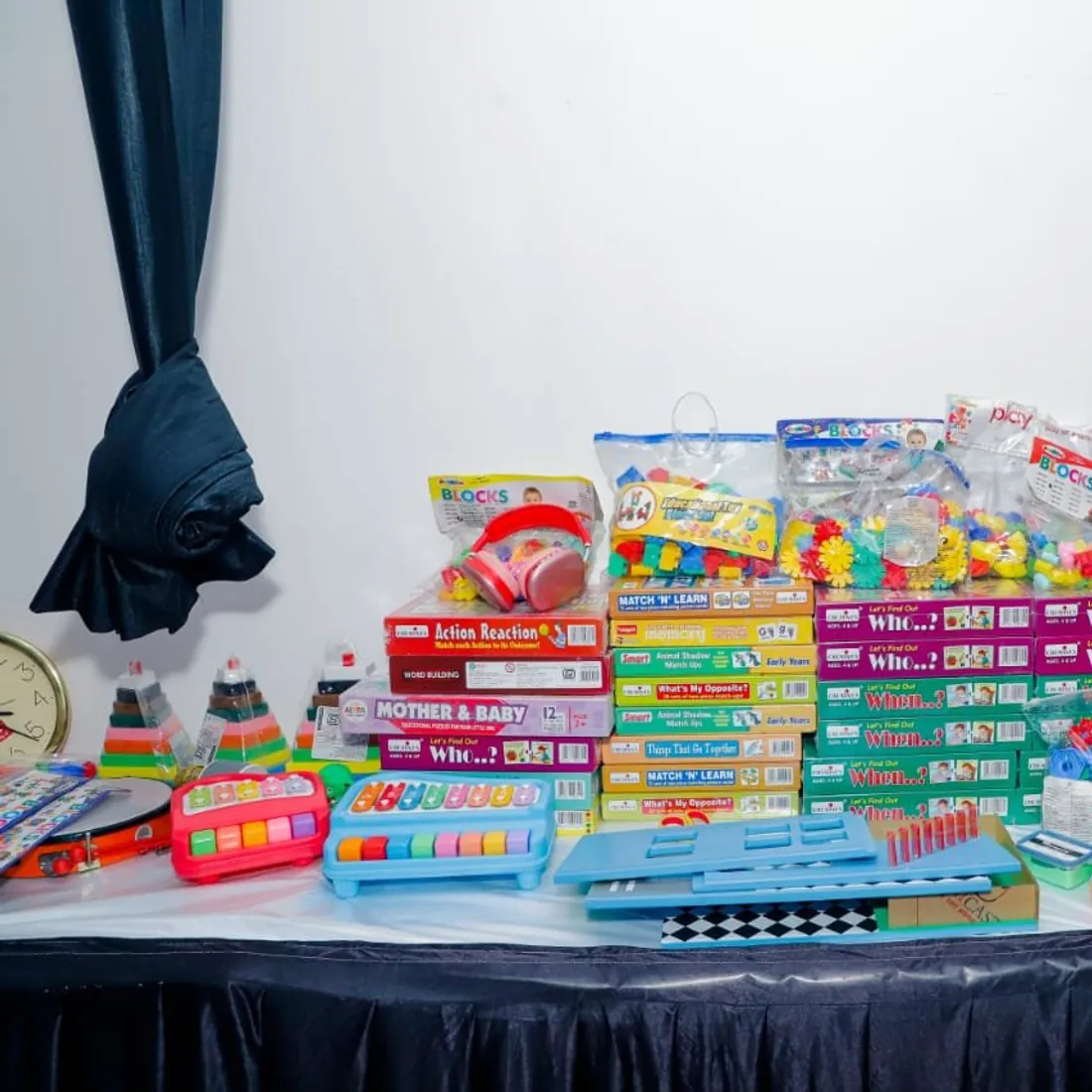
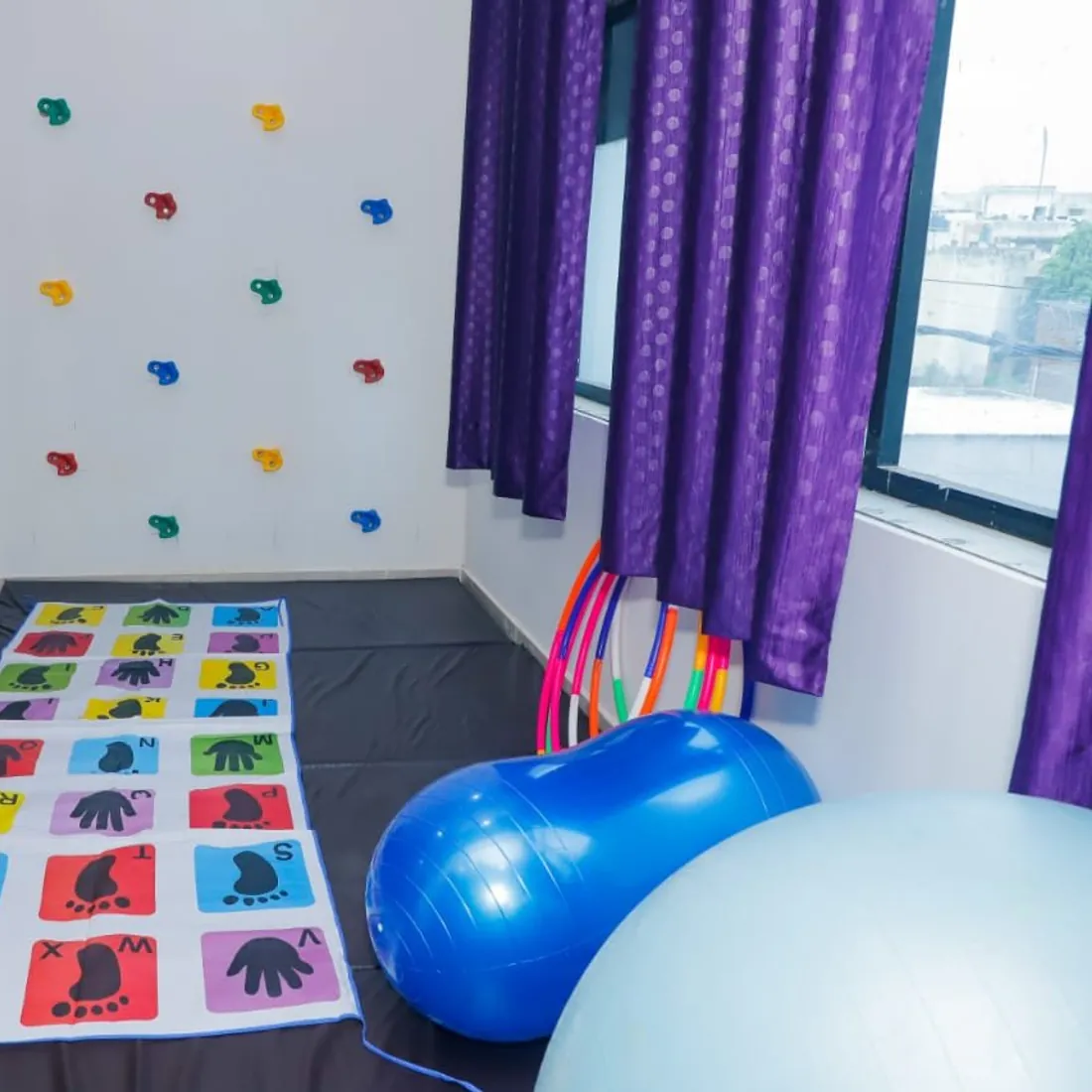
One of the top centres in Gwalior for speech and occupational therapy, it also offers special education for kids. Fully equipped and well furnished, the centre provides excellent therapy. The dedicated and understanding therapists ensure significant progress in this supportive environment.
A centre of optimism — helping little wonders achieve goals, develop, recover and improve daily living skills. The qualified therapists do a commendable job. Highly recommended and much appreciated for their dedication and effectiveness.
Common questions
If your question isn't here, the full list covers assessment, sessions, progress and practical details.
Take the first step
Send a request with a few details about your child and the centre will contact you to confirm a time. If you would rather speak to someone first, call or send a WhatsApp message — that is often the quickest way to get an answer.