 01
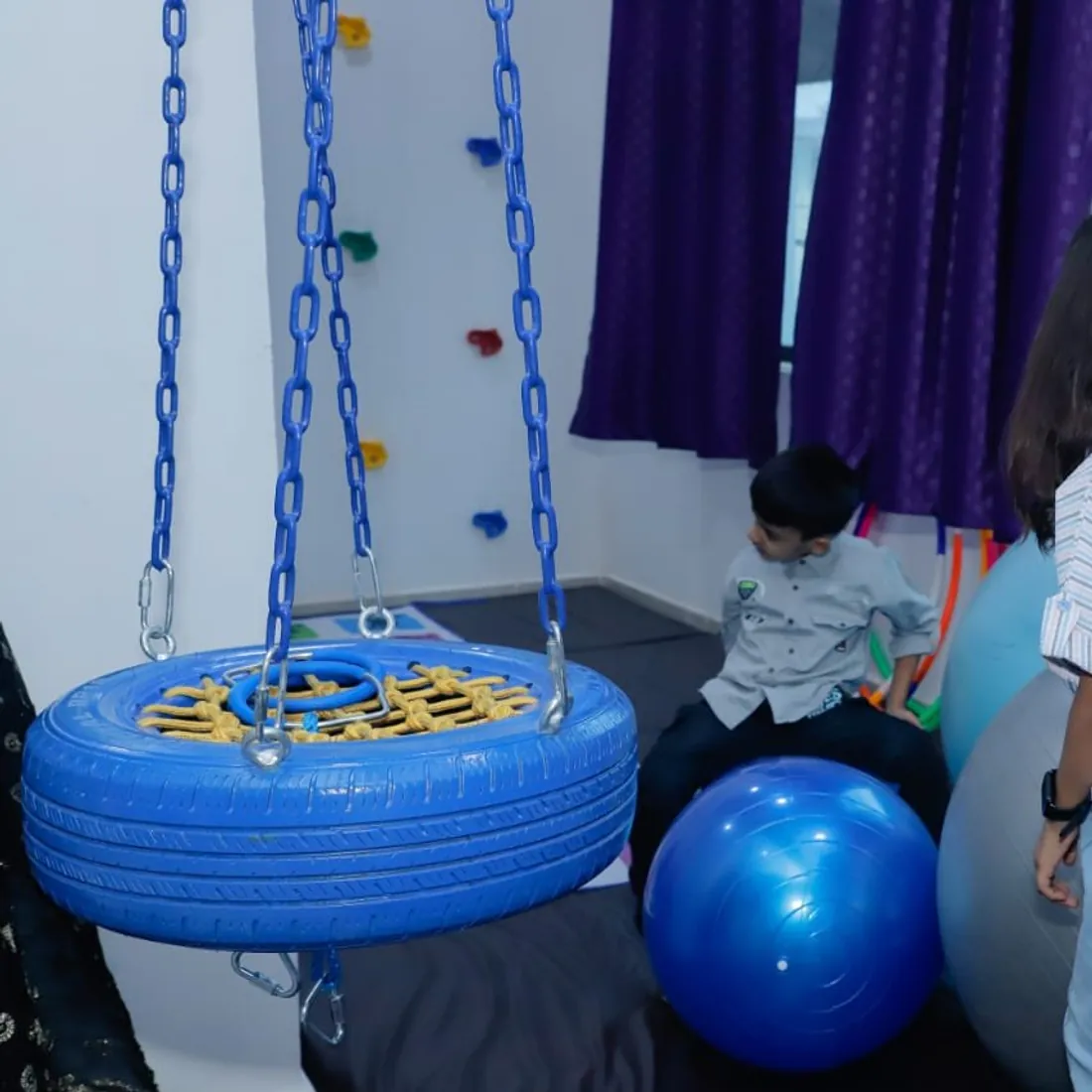
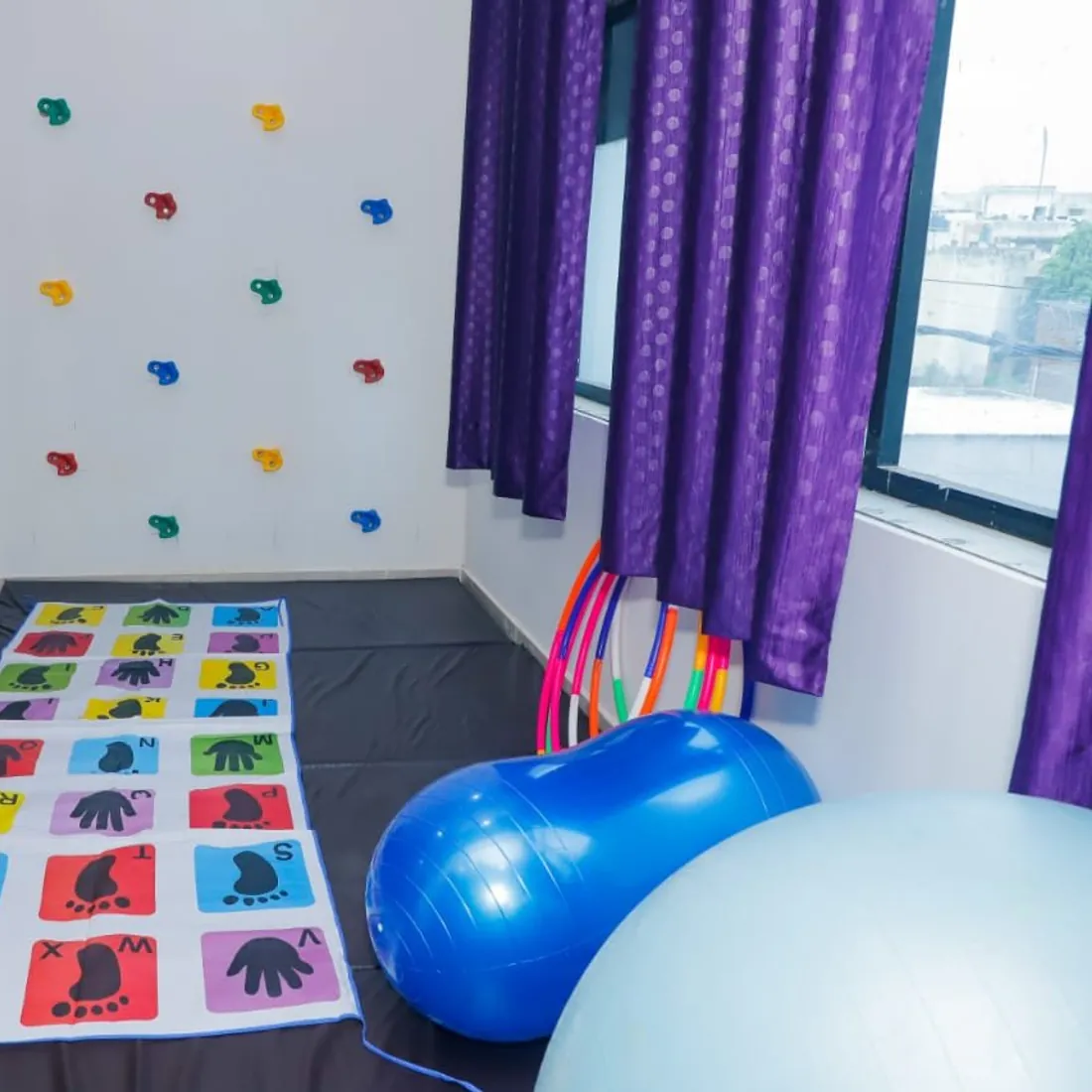
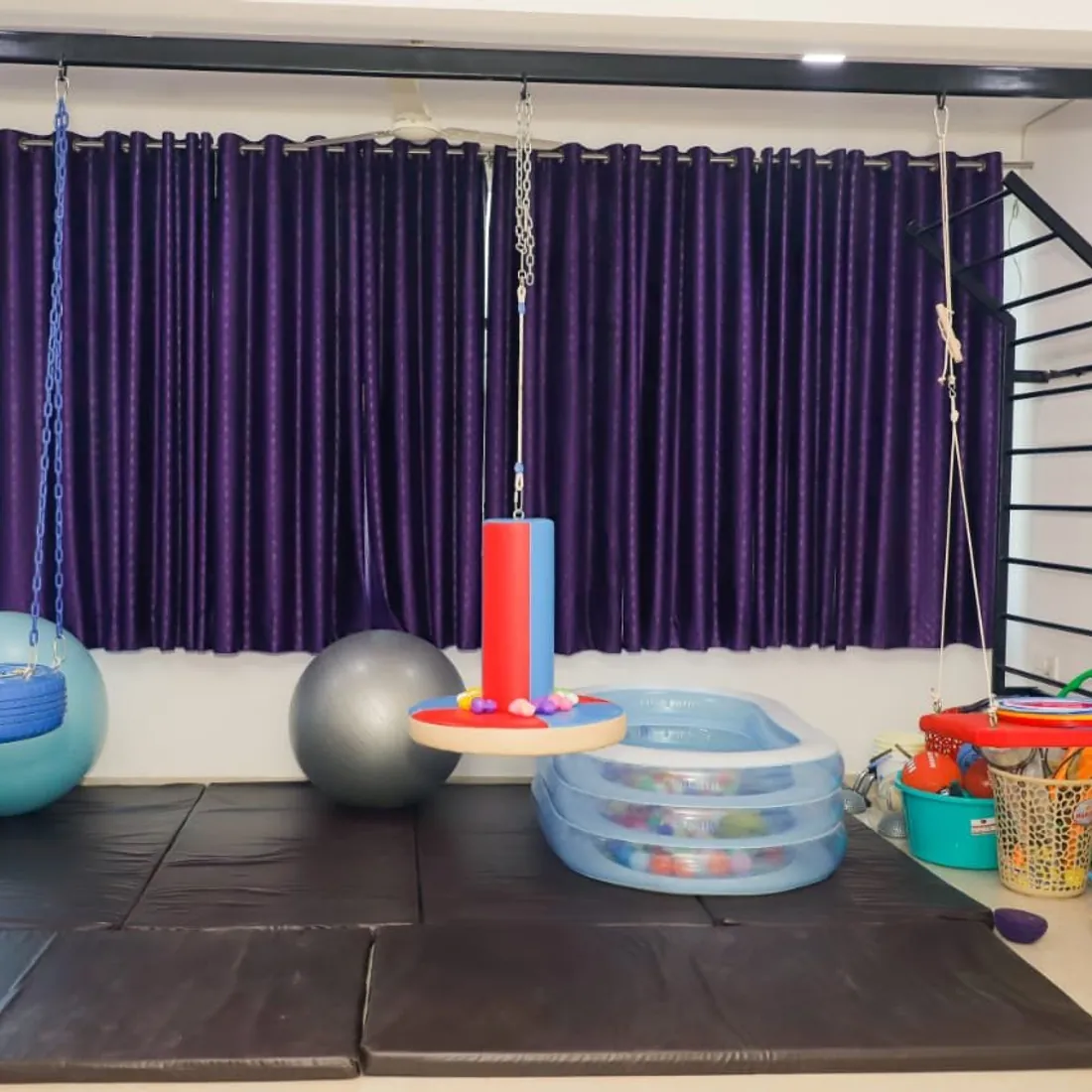
Occupational Therapy
Building independence in everyday life
- Avoids or is distressed by messy play, certain clothing textures, grooming or food textures
- Covers ears at ordinary household or classroom sounds
Our therapies
Children rarely need help in only one area. Each discipline below is offered here, and where a child works across more than one, the therapists share goals so the programmes reinforce each other.
At a glance
A quick orientation. The assessment determines which discipline — or combination — is appropriate for your child; you don't need to decide in advance.
| Therapy | Primarily addresses | A typical sign |
|---|---|---|
| Occupational TherapyBuilding independence in everyday life | Sensory processing differences · Fine motor and handwriting difficulty · Gross motor and coordination delays | Avoids or is distressed by messy play, certain clothing textures, grooming or food textures |
| Speech TherapyFinding a voice, and being understood | Late talkers and language delay · Unclear speech · Stammering and fluency | Few or no words by around 18 months, or not combining words by around two years |
| ABA TherapyUnderstanding behaviour, teaching skills | Autism spectrum disorder · Challenging behaviour · Skill acquisition | Limited or no functional communication of wants and needs |
| Special EducationTeaching that adapts to the learner | Specific learning disabilities · Reading and writing difficulty · Intellectual disability | Reading, writing or number skills well behind classmates |
| PhysiotherapyStrength, movement and postural control | Delayed motor milestones · Cerebral palsy · Low muscle tone | Motor milestones noticeably behind expected age |
| Speech & HearingDiagnosis and management of communication and hearing | Suspected hearing loss · Unexplained speech delay · Recurrent ear infections | Does not turn to sound or respond to their name |
The parent journey
Six defined stages. Nothing is committed to until findings have been explained to you.
A detailed developmental history and structured, age-appropriate assessment. The therapist establishes exactly where your child is across the relevant domains — and explains it to you in plain language.
Findings are turned into specific, functional goals — agreed with you, and prioritised by what would make the biggest practical difference to your child's day rather than by what is easiest to measure.
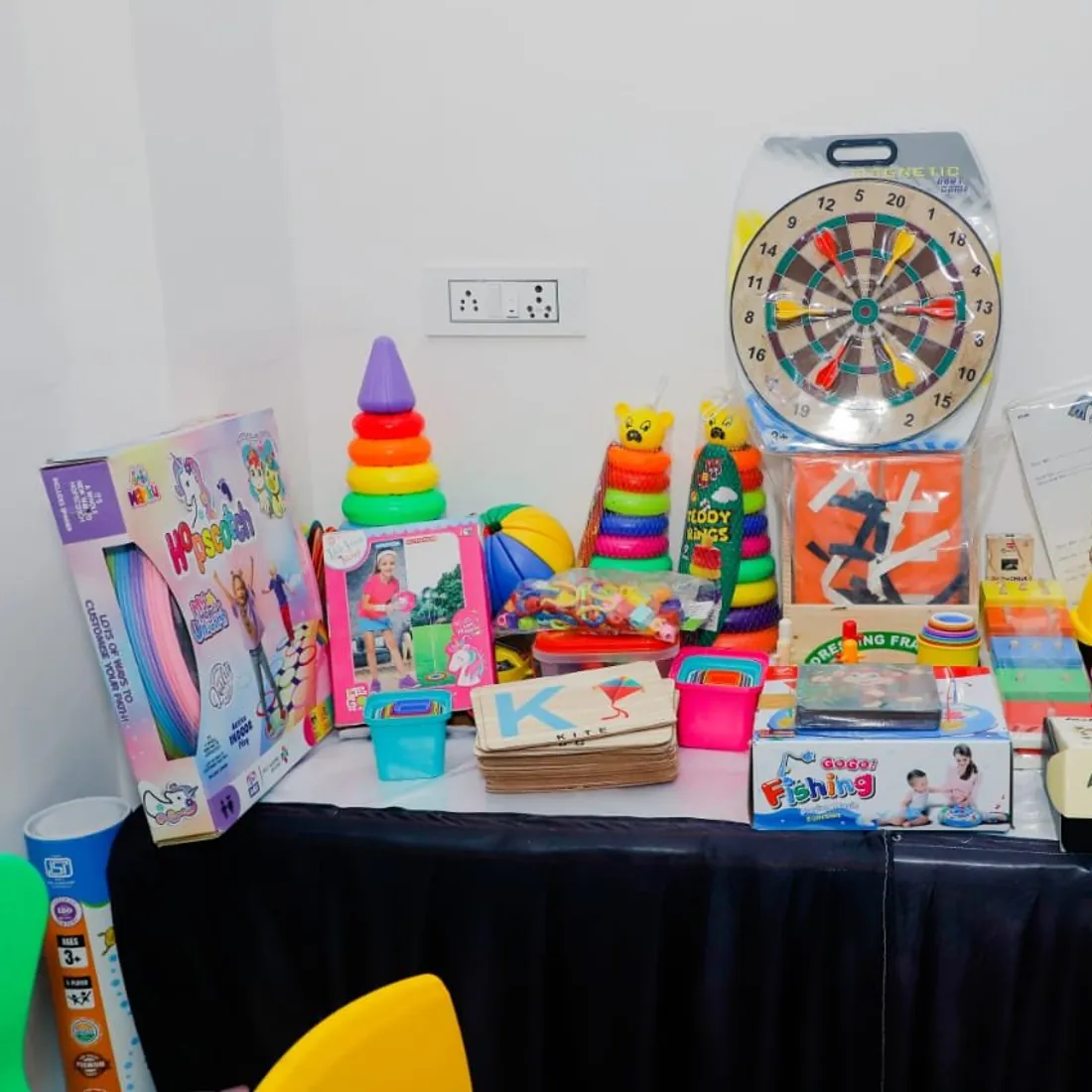
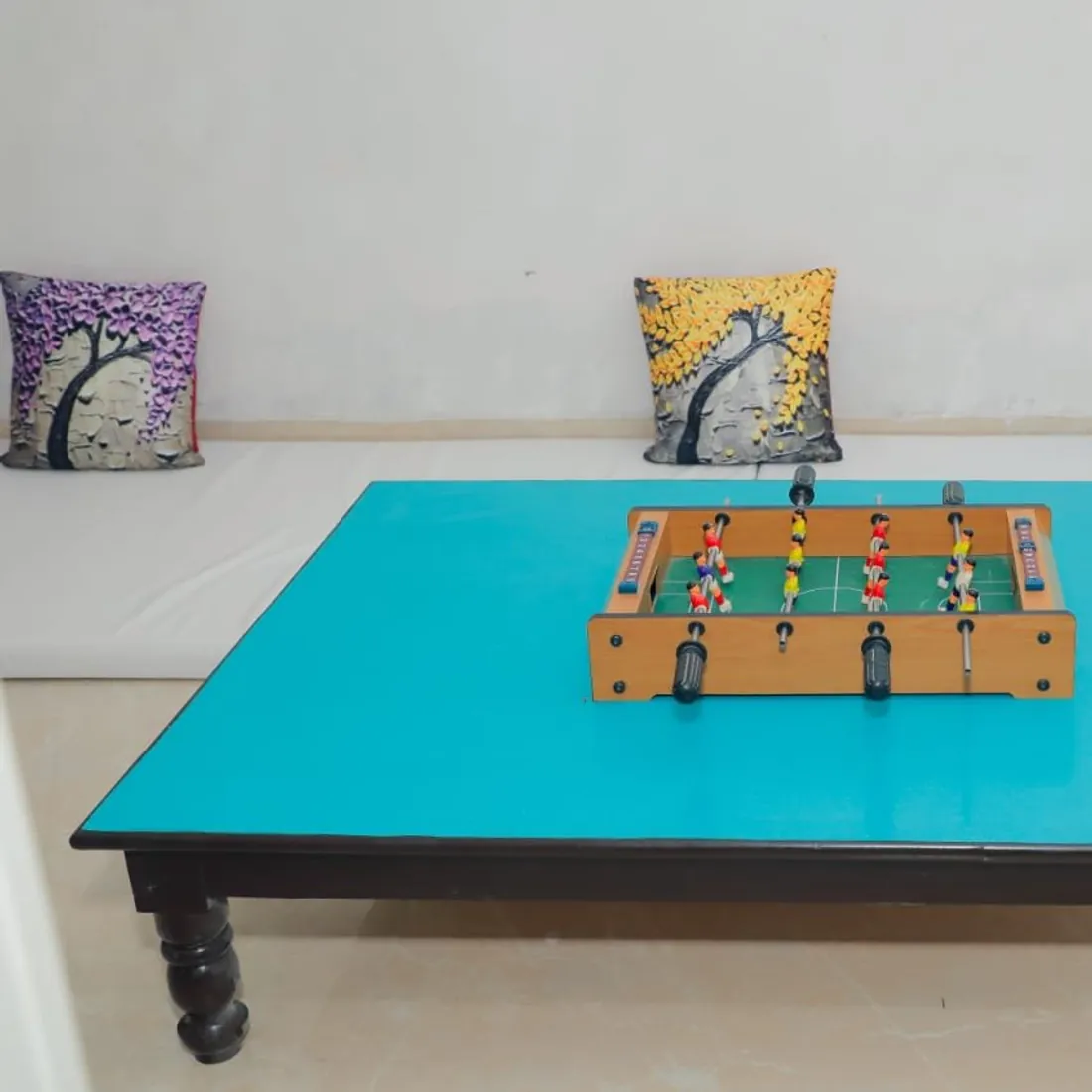
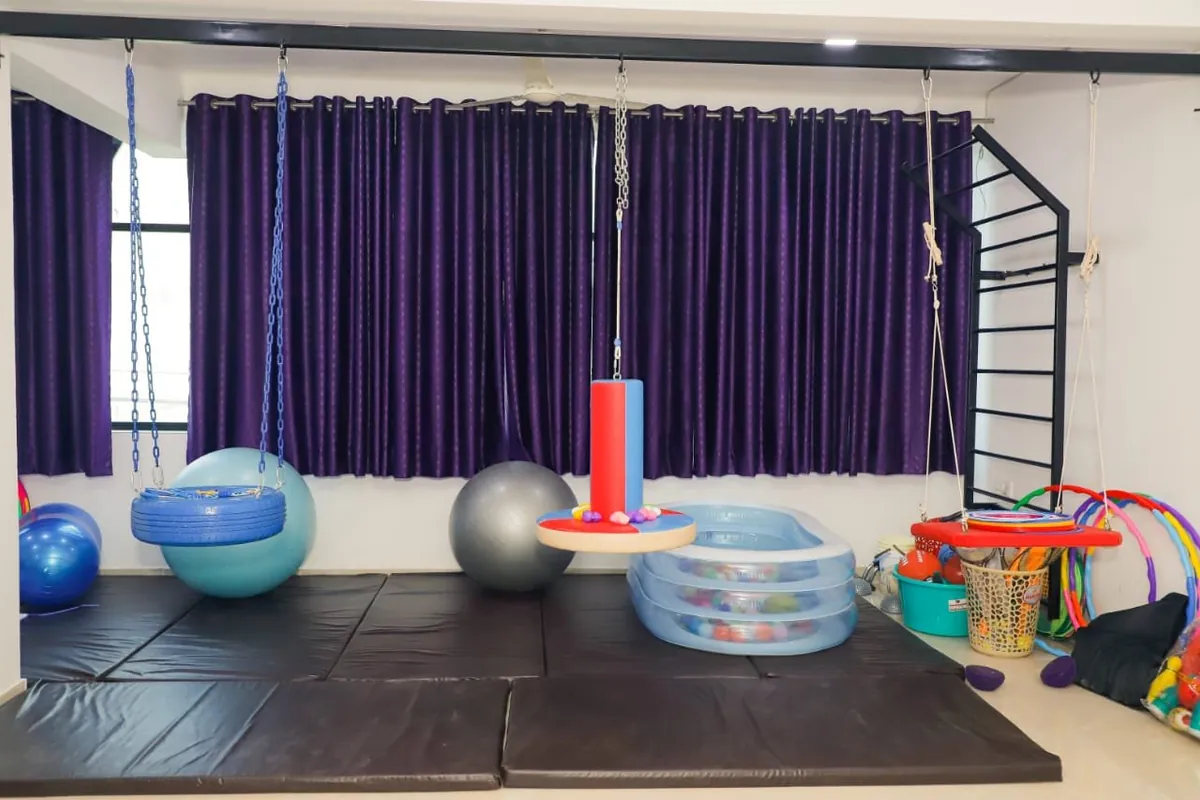
Regular one-to-one sessions in a purpose-equipped space. Activities are graded to sit just beyond what your child can currently do — challenging enough to build skill, achievable enough to sustain confidence.
Progress is checked against the agreed goals on a regular cycle. Where something is not moving, the approach changes — reviews exist to make decisions, not to confirm that work is continuing.
You are shown the strategies your therapist uses and how to apply them at home. This is not an optional extra — how consistently strategies are used between sessions is one of the strongest predictors of progress.
Written summaries of what has been worked on, what has changed and what comes next — usable with schools, paediatricians and other professionals involved in your child's care.
Take the first step
Send a request with a few details about your child and the centre will contact you to confirm a time. If you would rather speak to someone first, call or send a WhatsApp message — that is often the quickest way to get an answer.