Physiotherapy
Strength, movement and postural control
- Motor milestones noticeably behind expected age
- Seems floppy, or conversely stiff and hard to move
Building independence in everyday life
Occupational therapy helps children take part in the activities that make up their day — dressing, eating, writing, playing and managing sensory input — by building the underlying motor, sensory and processing skills those activities depend on.
What it is
An occupational therapist is a healthcare professional who helps individuals achieve independence across all areas of their lives using therapeutic techniques and structured intervention. For children, those 'occupations' are the ordinary but essential jobs of childhood: self-care, play, learning and social participation.
Assessment looks at the whole picture — fine and gross motor control, muscle tone and postural stability, sensory processing, visual-motor integration, attention, and the ability to plan and sequence unfamiliar movements. From there the therapist works out which underlying skills are getting in the way of everyday function.
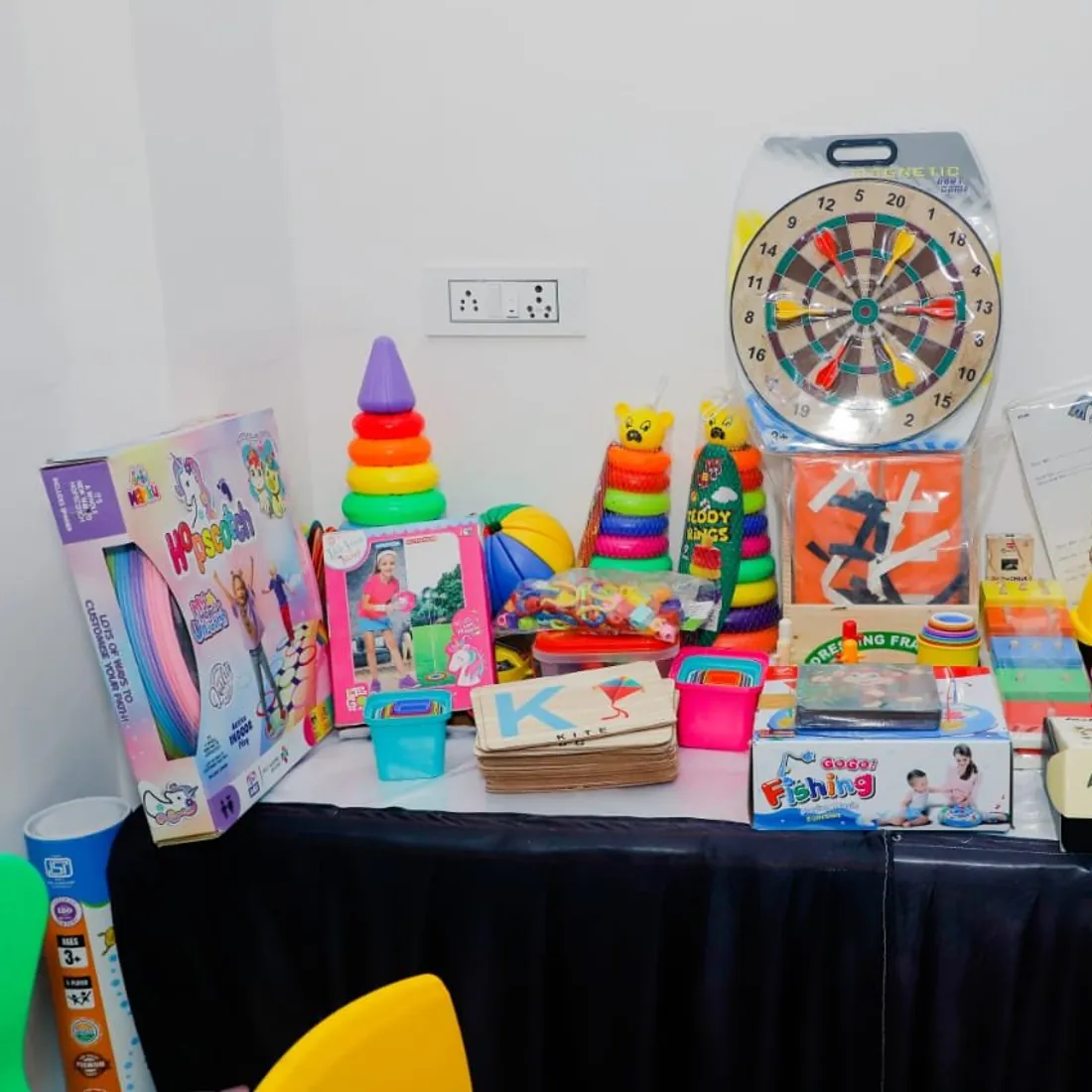
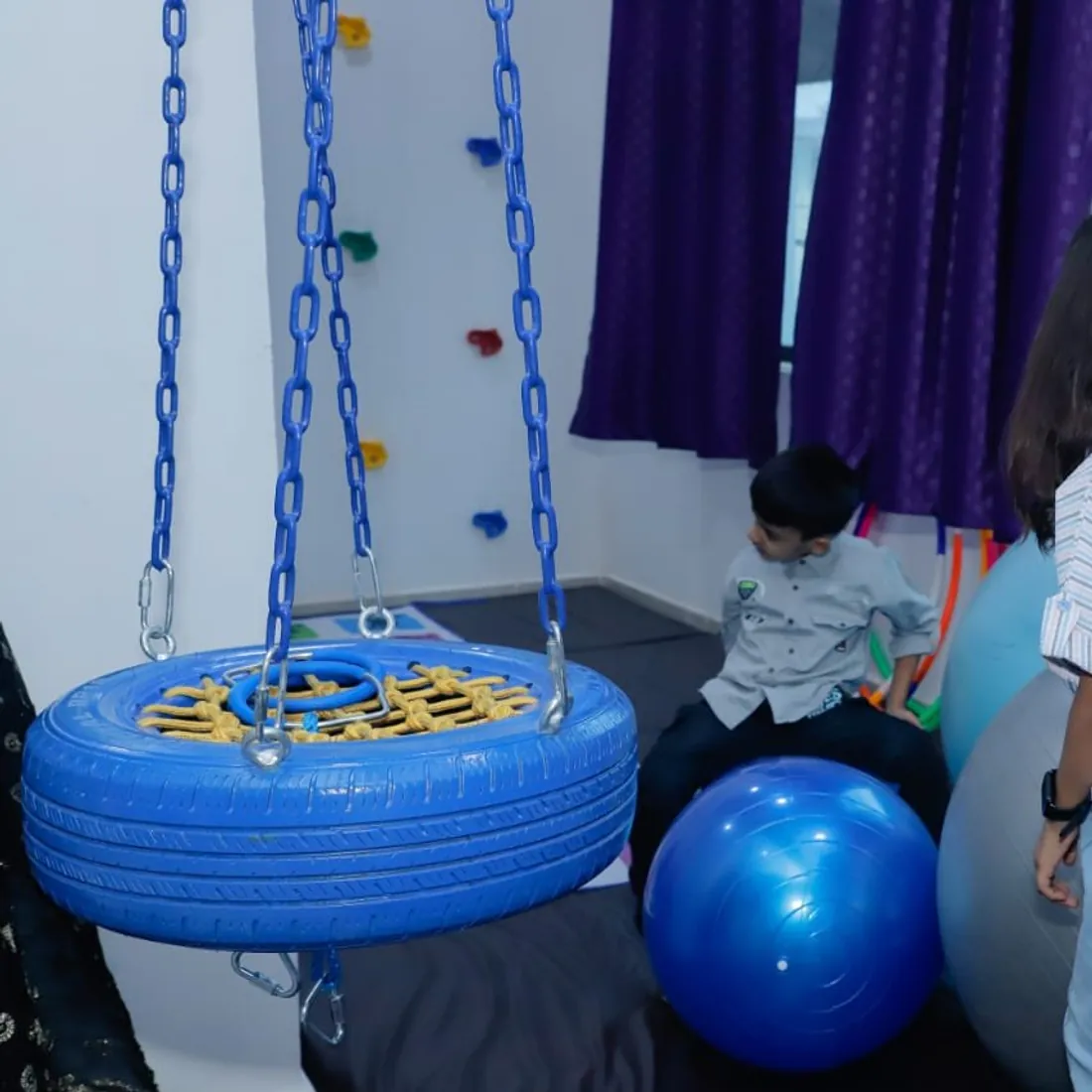
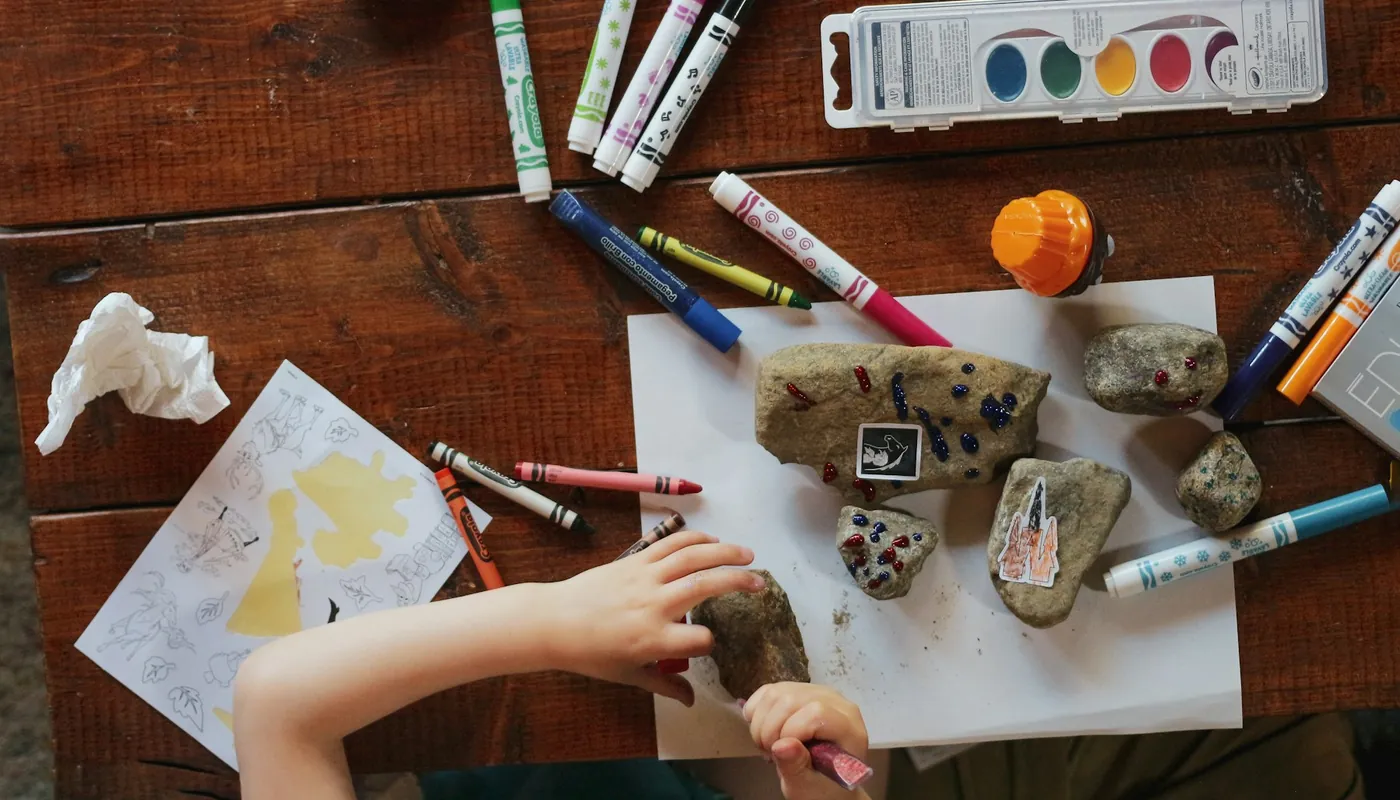
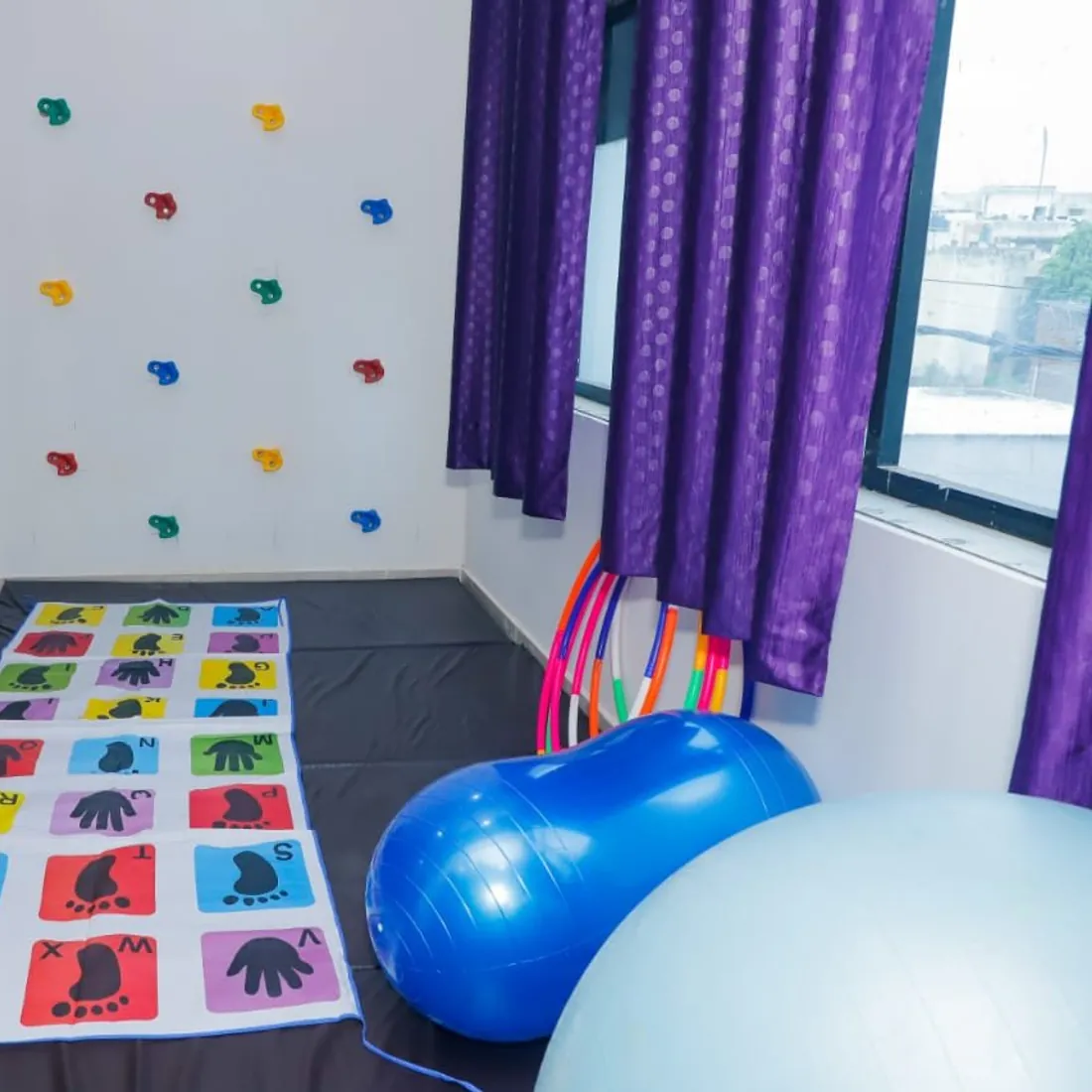
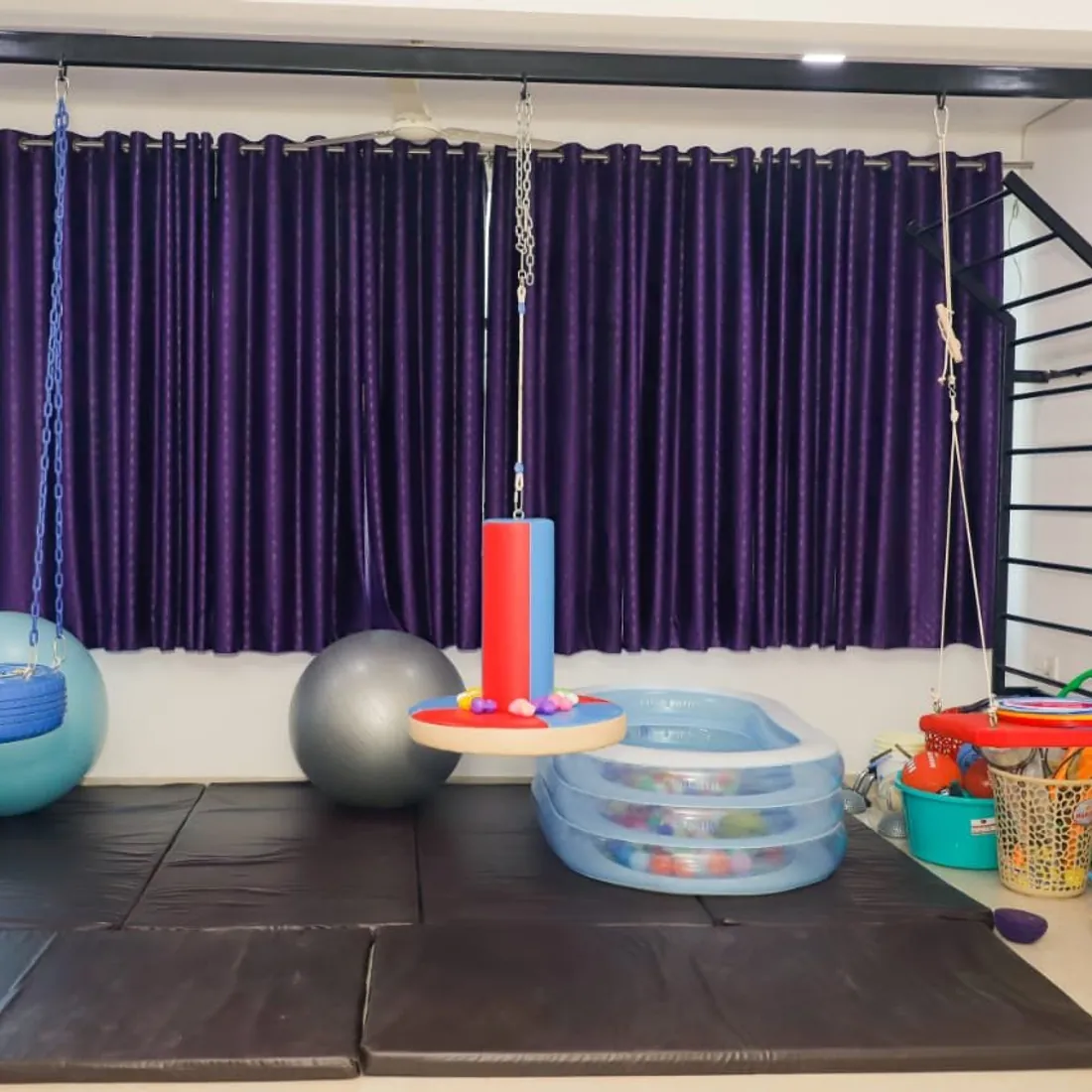
Sessions are play-based by design. A swing, a climbing frame, therapy putty or an obstacle course are not diversions from the work — they are the mechanism through which a child practises regulation, coordination and problem-solving without it feeling like a test.
Assess and treat sensory processing, fine and gross motor skills, and independence in everyday activities such as dressing, feeding and handwriting.
Who it's for
This is not an exhaustive list, and no single item on it means your child needs therapy. The assessment establishes what is actually going on.
Children who are overwhelmed by sound, touch, movement or texture, or who actively seek out intense sensory input to feel settled.
Trouble with pencil grip, letter formation, scissors, buttons and zips, or hand fatigue that makes school work slow and effortful.
Late or awkward sitting, crawling, walking, jumping or ball skills; frequent tripping; difficulty keeping up in physical play.
Persistent difficulty with dressing, feeding, toileting or self-organisation beyond what is expected at the child's age.
Difficulty settling into an activity, staying with a task, or recovering from frustration and transitions.
Children with autism, ADHD, cerebral palsy, Down syndrome or developmental coordination difficulties who need functional skill support.
Signs to look for
Children develop at different rates, and a single item here is rarely meaningful on its own. It is a pattern across several — particularly one that persists — that is worth raising with a professional.
Benefits
Goals are always individual to the child. These are the areas of change the discipline is designed to produce.
Dressing, feeding, grooming and toileting become tasks a child can manage with less adult support.
Improved grip, control and endurance so that writing and classroom tasks stop being a barrier to showing what the child knows.
Sensory strategies that help a child stay calm and available for learning instead of overwhelmed or under-responsive.
Stronger balance, coordination and body awareness, which opens up playground and peer play.
The postural and regulatory foundations that let a child stay with a task rather than leaving it.
Practical home adaptations and activities so progress continues between sessions.
The process
Standardised and observational assessment of motor skills, sensory processing and daily function, alongside a detailed developmental and family history.
Findings are explained in plain language and turned into specific, functional goals that matter to your family — not abstract scores.
A plan setting out session frequency, the activities to be used, sensory strategies, and any equipment or home adaptations.
Regular one-to-one sessions in a purpose-equipped therapy space, graded so that activities stay just beyond the child's current ability.
A short, realistic set of activities and adaptations for home and school, so skills transfer beyond the therapy room.
Progress is reviewed against the agreed goals and the plan is adjusted as skills consolidate.
What to expect
Questions
If your question isn't answered here, call the centre — it is usually the quickest way to get a straight answer.
Parent resources
Related therapies
Where a child works across more than one discipline, goals are coordinated between the therapists involved.