What autism is
Autism spectrum disorder is a neurodevelopmental difference that affects how a person communicates, interacts socially, processes sensory information, and responds to change. It is present from early development, though it is not always identified early.
The word 'spectrum' matters. Two autistic children can present so differently that a parent meeting one would not recognise the other's experience. One may be highly verbal with intense specific interests and significant sensory sensitivity; another may be non-speaking with substantial support needs across daily living. Both are autistic. This is why comparison with another family's child tells you very little about your own.
Autism is not caused by parenting, by screen time, or by vaccines. The evidence on the vaccine question in particular is unusually large and unusually consistent, and the original claim that started it was retracted as fraudulent. If you are carrying guilt about something you did or did not do, it is worth setting down.
Early signs worth noticing
No single item below means a child is autistic. Patterns across several, particularly if they persist, are worth raising with a professional.
- Limited response to their name by around 12 months
- Little pointing to share interest — showing you something because it is interesting, not just to request it
- Reduced or inconsistent eye contact and back-and-forth social smiling
- Delayed speech, or loss of words and skills previously present
- Repetitive movements such as hand-flapping, rocking or spinning
- Lining up or sorting toys rather than playing with them imaginatively
- Strong distress at small changes in routine or environment
- Unusual responses to sound, texture, light, taste or movement
If you are waiting for a diagnosis
You do not have to wait for a diagnostic label to start support. Therapy addresses a child's actual profile of needs — communication, sensory processing, motor skills, daily living — and those needs are assessable and treatable now, whatever they end up being called.
A formal diagnosis is still worth pursuing, because it can affect school accommodations, examination provisions and access to services. But treat it as a parallel process rather than a gate you must pass through first.
What actually helps
- Early, structured intervention — the single most consistent finding in the research
- A reliable way to communicate, whether speech, signs, pictures or a device
- Predictable routines, with change introduced with warning and visual support
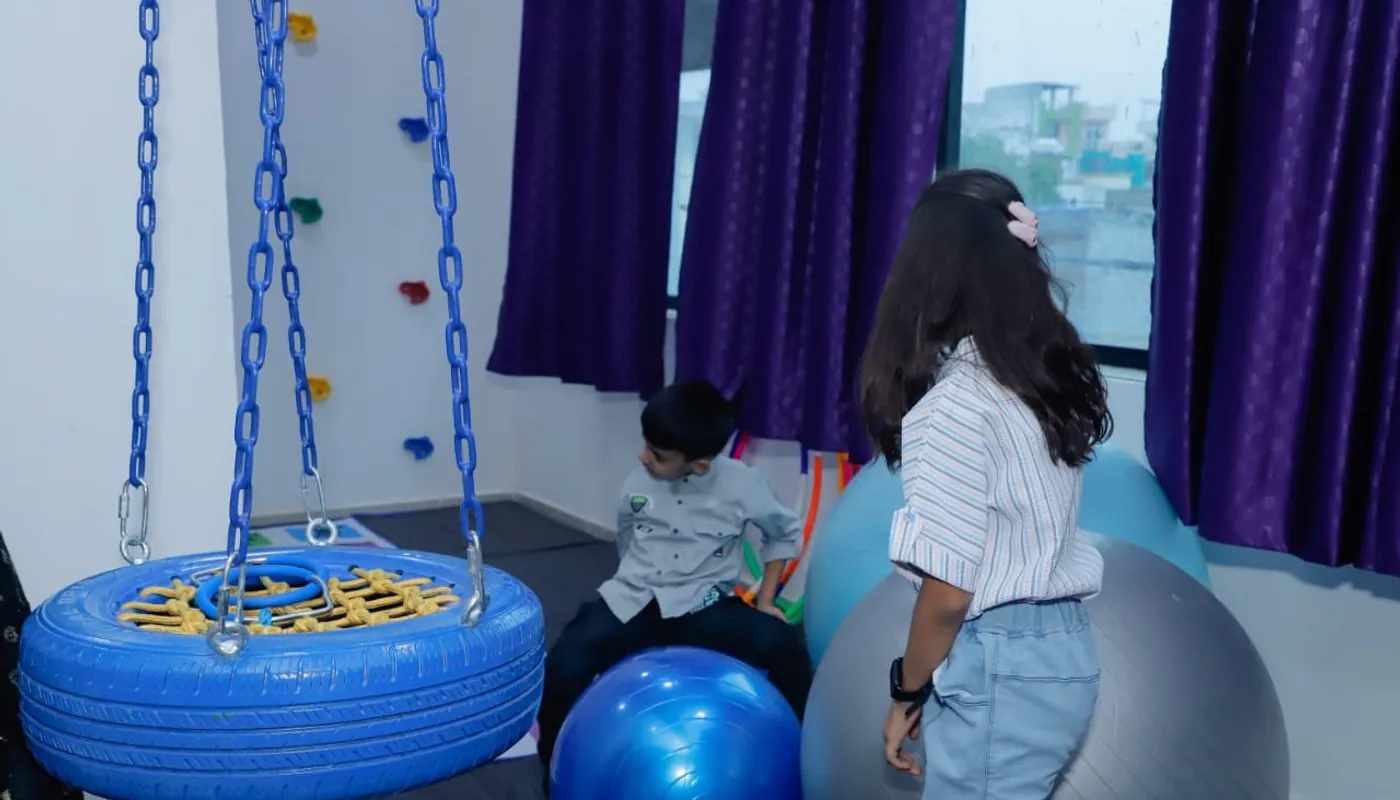
- Sensory strategies matched to your child's specific profile, not generic ones
- Building on genuine interests rather than treating them as obstacles
- Parent training, so strategies are consistent across every setting
A note on how you talk about it
Many autistic adults prefer identity-first language — 'autistic child' rather than 'child with autism' — because they do not experience autism as separable from who they are. Others prefer person-first. Families differ too. Ask, and follow the lead of the person concerned.
It is also worth being careful about what your child overhears. Children understand far more about how they are discussed than adults assume, often well before they can respond to it.
Looking after yourself
The period around a diagnosis is genuinely hard, and it is normal to feel grief, relief, guilt and determination in the same week. None of that makes you a worse parent.
Practical advice from parents further along tends to converge: find one or two other families going through it, keep records in one place, learn to ask professionals to explain things again in plainer terms, and accept that you cannot do everything at once. Pick the goal that would change your family's day most, and start there.
Concerned about your child?
A guide can only take you so far. If something here matched what you are seeing at home, a functional assessment will tell you what is actually going on — and you do not need a referral or a diagnosis to book one.