Skip to content
Little WondersChild Development Center

About the centre

A pioneering centre for special services in Gwalior

Little Wonders is a child development centre with a highly dedicated team of professionals, providing services ranging from functional assessments through to therapy.

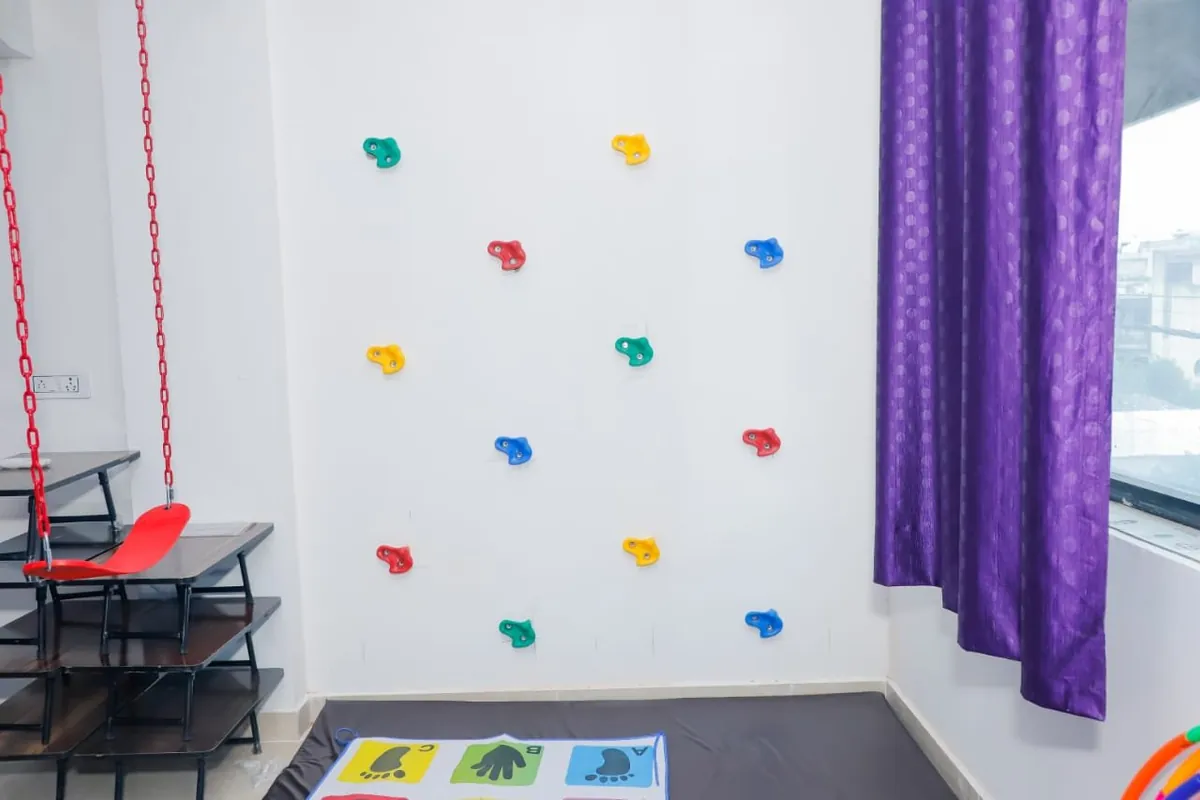
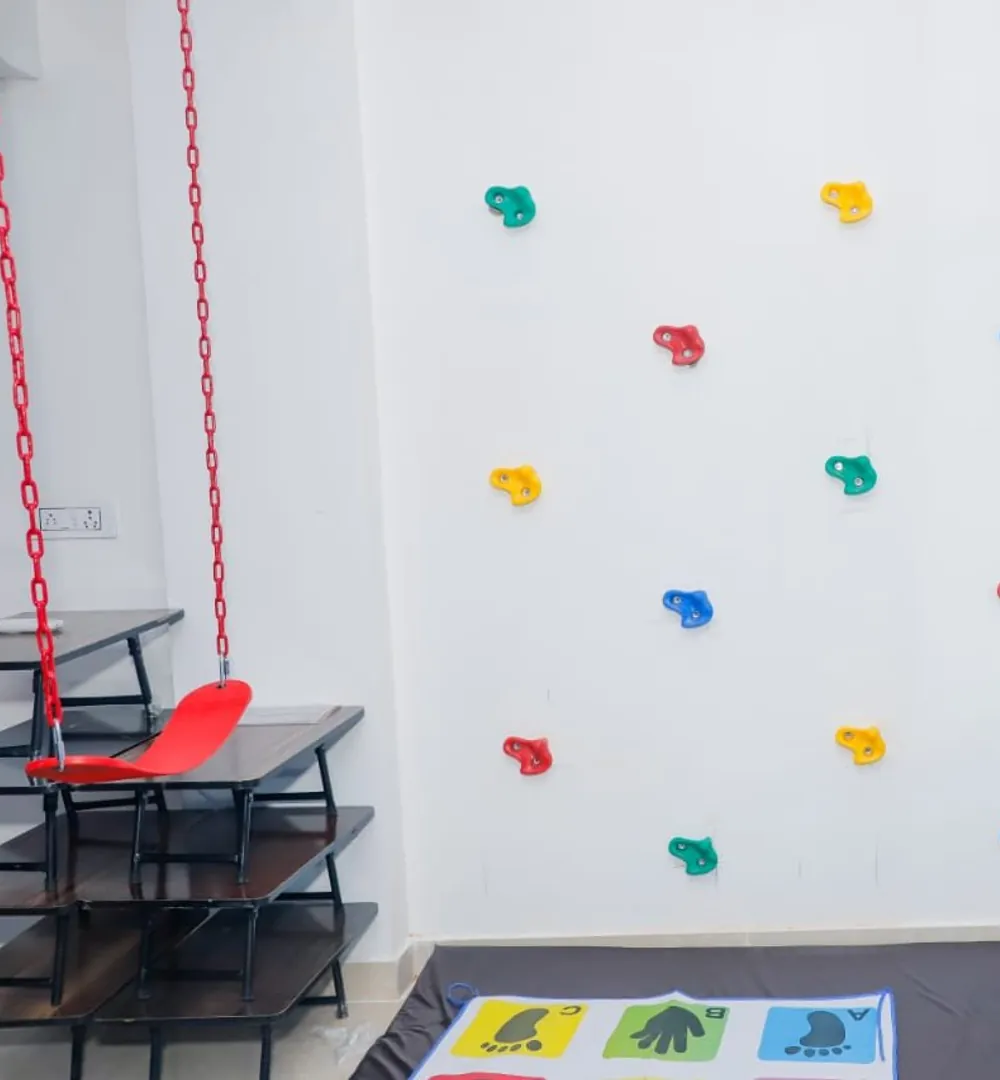
A therapy room at Little Wonders with a climbing wall, swing and stepped platforms

Who we are

Functional assessment through to therapy, under one roof

Little Wonders is a child development centre with a highly dedicated team of professionals providing services ranging from functional assessments to therapies including occupational therapy, physiotherapy, Applied Behavior Analysis (ABA) therapy, speech therapy and special education.

The centre works with children across a range of diagnoses — autism, ADHD, cerebral palsy, learning disabilities, Down syndrome, and reading and writing difficulties among them. Having several disciplines in one place matters more than it might appear: children rarely need help in only one area, and coordinating goals between therapists is far easier when they share a corridor.

“We have provided prominent results and good recovery, and crave to provide high-quality services as per industry standards.”
Our mission

To provide high-quality assessment and therapy to every child who comes through the door, delivered to industry standards and measured against goals set with their family — so that progress is something parents can see rather than something they are asked to take on trust.

Our vision

That no family in Gwalior has to travel to another city, or wait through the years when intervention counts most, to get their child assessed and supported — and that every child who needs specialist help can reach it close to home.

What guides us

Four things we hold to

  • 01

    Assessment before assumption

    No programme begins from a guess. A functional assessment establishes what a child can currently do, and every goal is written from that baseline.

  • 02

    The whole family, not just the child

    A child spends far more hours at home than in any therapy room. Parents are trained in the same strategies their therapist uses, because that is what makes gains hold.

  • 03

    Honest about progress

    Where the data shows something isn't working, the approach changes. Reviews exist to make decisions, not to confirm that sessions are continuing.

  • 04

    Explained in plain language

    Findings are explained in terms you can act on. You should leave understanding your child's profile — not holding a page of scores.

Services

What the centre provides

Functional assessment, and six therapy disciplines delivered on site.

The parent journey

From first call to
progress report

Six defined stages. Nothing is committed to until findings have been explained to you.

  1. 01

    Functional Assessment

    A detailed developmental history and structured, age-appropriate assessment. The therapist establishes exactly where your child is across the relevant domains — and explains it to you in plain language.

    • 01.1Developmental and family history
    • 01.2Structured, age-appropriate assessment
    • 01.3Direct observation in play and task
    • 01.4Findings explained to parents the same day
  2. 02

    Goal Setting

    Findings are turned into specific, functional goals — agreed with you, and prioritised by what would make the biggest practical difference to your child's day rather than by what is easiest to measure.

    • 02.1Goals written in functional terms
    • 02.2Prioritised together with parents
    • 02.3Discipline and session frequency decided
    • 02.4Baseline recorded for later comparison
  3. 03

    Therapy Sessions

    Regular one-to-one sessions in a purpose-equipped space. Activities are graded to sit just beyond what your child can currently do — challenging enough to build skill, achievable enough to sustain confidence.

    • 03.1One-to-one, around 45 minutes
    • 03.2Play-based and developmentally graded
    • 03.3Progress recorded each session
    • 03.4Difficulty adjusted as skills consolidate
  4. 04

    Monthly Review

    Progress is checked against the agreed goals on a regular cycle. Where something is not moving, the approach changes — reviews exist to make decisions, not to confirm that work is continuing.

    • 04.1Measured against baseline, not impression
    • 04.2Goals advanced, held or rewritten
    • 04.3Approach changed where data says so
    • 04.4Discussed directly with parents
  5. 05

    Parent Training

    You are shown the strategies your therapist uses and how to apply them at home. This is not an optional extra — how consistently strategies are used between sessions is one of the strongest predictors of progress.

    • 05.1Hands-on coaching, not just handouts
    • 05.2Strategies built into existing routines
    • 05.3Short, realistic home programmes
    • 05.4Questions answered as they come up
  6. 06

    Progress Reports

    Written summaries of what has been worked on, what has changed and what comes next — usable with schools, paediatricians and other professionals involved in your child's care.

    • 06.1Clear written record of change
    • 06.2Shareable with school and doctors
    • 06.3Next-phase goals set out
    • 06.4Continuity if care is transferred

Our team

Led by professionals, across six disciplines

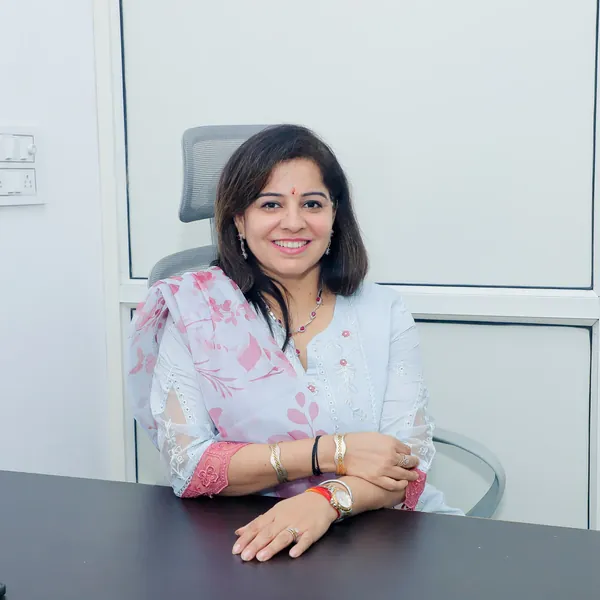
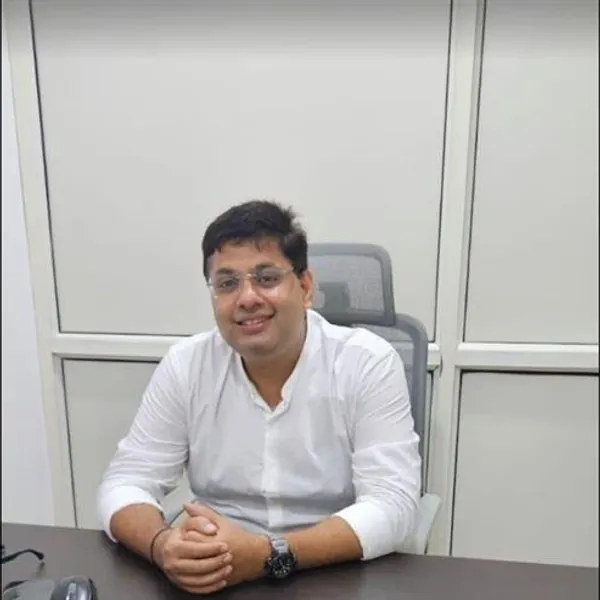
The centre is directed by Dr. Shilpa Kinger and Mr. Sachin Kinger, and staffed by a team working across six therapy disciplines.

Dr. Shilpa Kinger, Director at Little Wonders

Dr. Shilpa Kinger

Director

Leads the centre's clinical direction, overseeing assessment and therapy programmes across all disciplines.

Mr. Sachin Kinger, Director at Little Wonders

Mr. Sachin Kinger

Director

Leads operations at the centre, from family intake and scheduling through to facilities and coordination.

Take the first step

Book a functional assessment

Send a request with a few details about your child and the centre will contact you to confirm a time. If you would rather speak to someone first, call or send a WhatsApp message — that is often the quickest way to get an answer.